Unmasking the Mind: Demystifying Bipolar Disorder

Charlotte Ayuknkem • September 21, 2023

Bipolar disorder, often referred to as manic depression, is a complex and multifaceted mental health condition that affects millions of individuals worldwide. Characterized by extreme mood swings, it can be a challenging and often perplexing condition to navigate.

Let’s shed some light on bipolar disorder, providing insights into understanding and managing this intricate condition to lead a more balanced and fulfilling life.

Understanding the Bipolar Spectrum

One of the fundamental keys to demystifying bipolar disorder is recognizing that it exists on a spectrum. It's not a one-size-fits-all diagnosis; rather, it encompasses a range of mood variations. At one end of the spectrum, individuals experience manic episodes characterized by heightened energy, euphoria, and impulsive behavior.


On the other end, depressive episodes bring profound sadness, lethargy, and a loss of interest in previously enjoyed activities. Many individuals fall somewhere in between, and understanding where one falls on this spectrum can be instrumental in tailoring an effective treatment plan.

Recognizing the Signs and Symptoms

To unmask bipolar disorder, one must first learn to recognize its signs and symptoms. Manic episodes often manifest as a rush of ideas, increased talkativeness, decreased need for sleep, and sometimes risky behaviors. Depressive episodes, on the other hand, bring forth persistent sadness, fatigue, irritability, and thoughts of worthlessness. Individuals can seek early intervention and support by identifying these shifts in mood and behavior.

The Importance of Diagnosis

Diagnosis is the cornerstone of managing bipolar disorder. Many individuals struggle for years without understanding the nature of their condition. A proper diagnosis offers validation and clarity, providing insight into the nature of the disorder and guiding treatment decisions. It is crucial to consult a qualified mental health professional who can conduct comprehensive assessments, including interviews and mood tracking, to establish an accurate diagnosis.

Effective Treatment Strategies

There is no one-size-fits-all approach to treating bipolar disorder. Treatment plans are highly individualized and may include a combination of psychotherapy, medication, and lifestyle adjustments. Psychotherapy, particularly cognitive-behavioral therapy (CBT), can help individuals develop coping strategies, recognize triggers, and stabilize their moods. Medications like mood stabilizers, antipsychotics, and antidepressants are often prescribed to manage symptoms effectively.

The Role of Lifestyle Factors

In addition to therapy and medication, lifestyle factors play a pivotal role in managing bipolar disorder. Establishing a stable daily routine, prioritizing adequate sleep, and engaging in regular exercise can help regulate mood swings. Avoiding alcohol and recreational drug use is essential, as these substances can exacerbate mood instability.

Building a Support Network

Living with bipolar disorder can be challenging, but building a robust support network can make all the difference. Friends and family can offer invaluable emotional support and encouragement. Support groups, in-person or online, provide a sense of community where individuals can share experiences, strategies, and successes.

Reach Out for Support

If you or a loved one is grappling with bipolar disorder, remember that you're not alone. Oasis Of Hope is here to support you on your journey toward balance and well-being.


Our experienced team of mental health professionals offers personalized treatment plans to help you effectively manage bipolar disorder and lead a more balanced, fulfilling life. We also provide addiction treatment, anxiety treatment, and telepsychiatry services.


Contact us to book an appointment today!

Psychiatric nurse practitioner in Waldorf explaining psychiatric medication education to a patient.
By Behavioral+Healthcare November 28, 2025
Gain clarity on psychiatric medication and learn how evidence-based prescriptions from a psychiatrist in Waldorf support safe treatment.
Child engaging in therapy with a child psychiatrist in Waldorf to build emotional resilience.
By Behavioral+Healthcare November 26, 2025
Learn strategies for fostering child mental health resilience and how professional child psychiatrists in Waldorf support emotional growth.
Therapist in Waldorf conducting a regular therapy session, emphasizing consistent therapy benefits.
By Behavioral+Healthcare November 23, 2025
Discover the importance of consistent therapy for long-term mental wellness, progress tracking, and relapse prevention in patients of all ages.
By Behavioral+Healthcare November 21, 2025
Receiving a mental health diagnosis can feel overwhelming, even for those seeking help proactively. However, a diagnosis is not a limitation; it is a starting point. At Oasis of Hope Behavioral Healthcare, our goal is to guide patients through post-diagnosis mental health care that supports recovery, growth, and everyday functioning. Understanding Your Diagnosis A mental health evaluation in Waldorf or the surrounding communities provides clarity about emotional and behavioral challenges. Knowing whether you are managing anxiety, depression, ADHD , or another condition is crucial in creating a targeted treatment plan. While it’s natural to experience a mix of relief, fear, or uncertainty after receiving a diagnosis, it’s important to remember that your journey has just begun and that support is available. Therapy: A Path to Insight and Coping Therapy is a cornerstone of post-diagnosis mental health care. Our therapist in Waldorf works with patients to identify triggers, develop coping strategies, and improve daily functioning. Evidence-based approaches, including Cognitive Behavioral Therapy (CBT) and mindfulness practices, help patients reframe negative thought patterns, manage stress, and rebuild confidence. Medication Management: Balancing Mind and Body For some patients, medication plays an essential role in symptom management. Our psychiatric nurse practitioner in Waldorf and psychiatrist in Waldorf provide careful monitoring and individualized medication management. It ensures that patients receive the right combination of therapy and pharmacological support to optimize mental health outcomes. Self-Care: Empowering Daily Choices Beyond professional care, self-care is a vital part of recovery. Small, consistent actions such as maintaining a healthy sleep schedule, engaging in regular physical activity, practicing mindfulness, and connecting with supportive friends or family can dramatically improve overall well-being. Incorporating these strategies into your life enhances the effectiveness of therapy and medications, empowering patients to live fully after a mental health evaluation.  Support Networks: You Are Not Alone Recovery is strengthened by connection. Family involvement, peer support groups, and consistent follow-ups with your behavioral healthcare provider in Waldorf can help you feel understood and supported. Our team encourages open communication, allowing families to learn, adapt, and contribute to their loved one’s healing journey. If you or a loved one recently completed a mental health evaluation, don’t let uncertainty hold you back. Oasis of Hope Behavioral Healthcare offers comprehensive post-diagnosis mental health care tailored to your unique needs. From therapy and medication management to practical self-care guidance, we provide the support needed to live a fulfilling and empowered life. Contact us today at 301-710-4218 or visit our Waldorf clinic to begin your journey toward recovery.
A person in a black blazer holding their head
By Behavioral+Healthcare October 17, 2025
Learn how dual diagnosis treatment addresses depression and substance use together, reducing relapse and improving recovery outcomes.
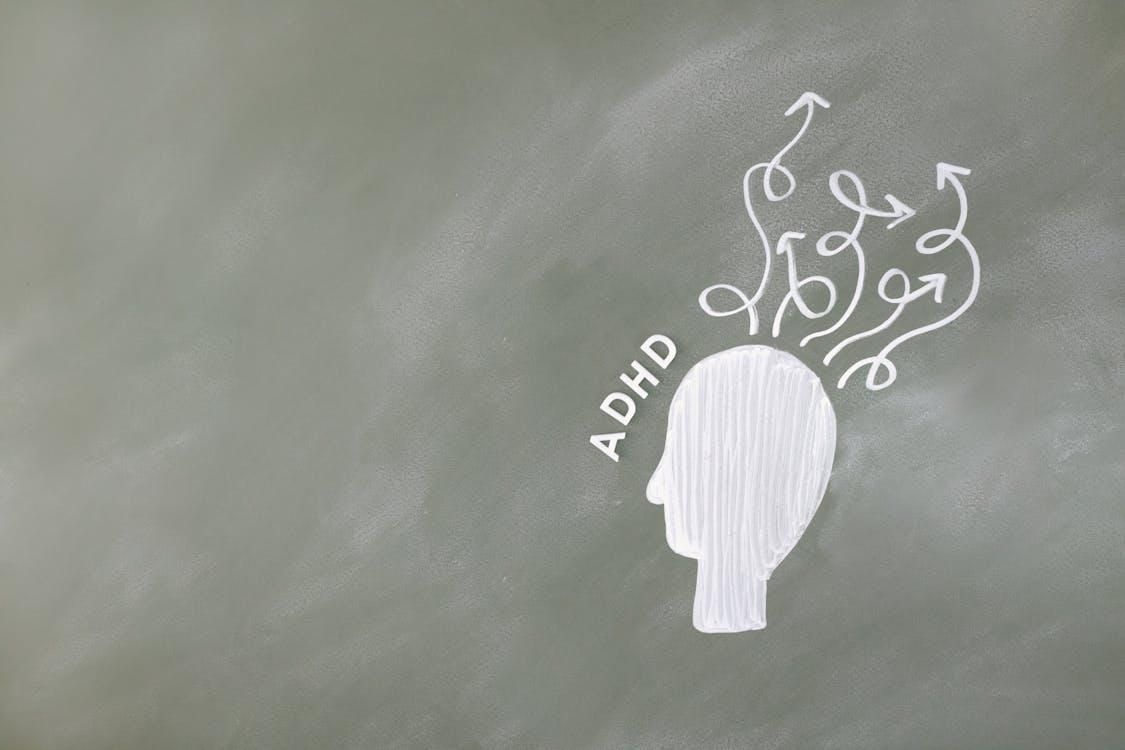
An illustration showing a head and brain, depicting ADHD
By Behavioral+Healthcare October 15, 2025
Explore effective ADHD treatment strategies for children, teens, and adults. Learn how therapy, medication, and tailored support help manage symptoms across all stages of life.
A couple and their child sitting on a couch in front of a therapist
By Behavioral+Healthcare October 13, 2025
Discover how family-centered psychiatric care strengthens recovery by involving spouses, children, and caregivers in treatment plans, building stronger support networks, and improving mental health outcomes.
Two people on a video call on a laptop
By Behavioral+Healthcare October 9, 2025
Discover how mobile mental health care brings professional psychiatric support directly to your home, removing barriers, enhancing privacy, and ensuring accessible, compassionate treatment for all.
a therapist making notes as their client speaks
By Behavioral+Healthcare September 23, 2025
Learn how psychotherapy for emotional resilience builds coping skills and mental strength, supporting long-term balance and stability in everyday challenges and relationships.
a man sitting at a table holding his head due to stress
By Behavioral+Healthcare September 22, 2025
Practical strategies for busy adults to manage stress and maintain balance. Learn how adult mental health support makes daily life healthier and more manageable.